
Masoor Dal er Khichuri
Masoor Dal er Khichuri is one of the super tasty, savoury monsoon favourite meal in Bengali cooking. It is commonly known as Chale Dale Khichuri. Khichuri is a savoury porridge type of dish, a comfort meal, it is an ultra-easy dish to cook with staple pantry ingredients and even better to eat!
Masoor Dal er khichuri or Masoor Dal Diye Khichuri is one of the super tasty, savoury monsoon favourite meals in Bengali cooking. It is commonly known as Chale Dale Khichuri. Khichuri is a delicious porridge type of dish and a comfort meal. It is an ultra-easy dish to cook with staple pantry ingredients and even better to eat!
From Monsoon to winter, there is a Khichuri recipe for every season and occasion! This Masoor Dal er Khichuri or Chale Dale Khichuri is a representative of Barsha or monsoon in Bengal. Its texture is between a soup and porridge.
Barsha (Monsoon) and Khichuri
Traditional Bengali cooking is influenced by local and seasonal produce. Of course, modern Bengalis cook many regional and global recipes in their kitchens, but their love for traditional cooking and the celebration of seasonal specials are always there.
West Bengal is one of India’s eastern regional states, and here, the temperature is favourable for various crop cultivation throughout the year. Rice is the life-sustaining crop of West Bengal. Barsha ( monsoon) is an important season in West Bengal that lasts well and helps grow and nurture the winter rice( Kharif crop) throughout the season.
Nothing can be more eye-soothing than the green rice field under the grey monsoon sky! Then, the rivers rush towards the sea. In my opinion, it is the most romantic and beautiful season in Bengal! Khichuri is one of those dishes to savour to enjoy the long-awaited monsoon after a harsh and humid summer. But rain or lack of rain could be a sin for crops and farmers too!
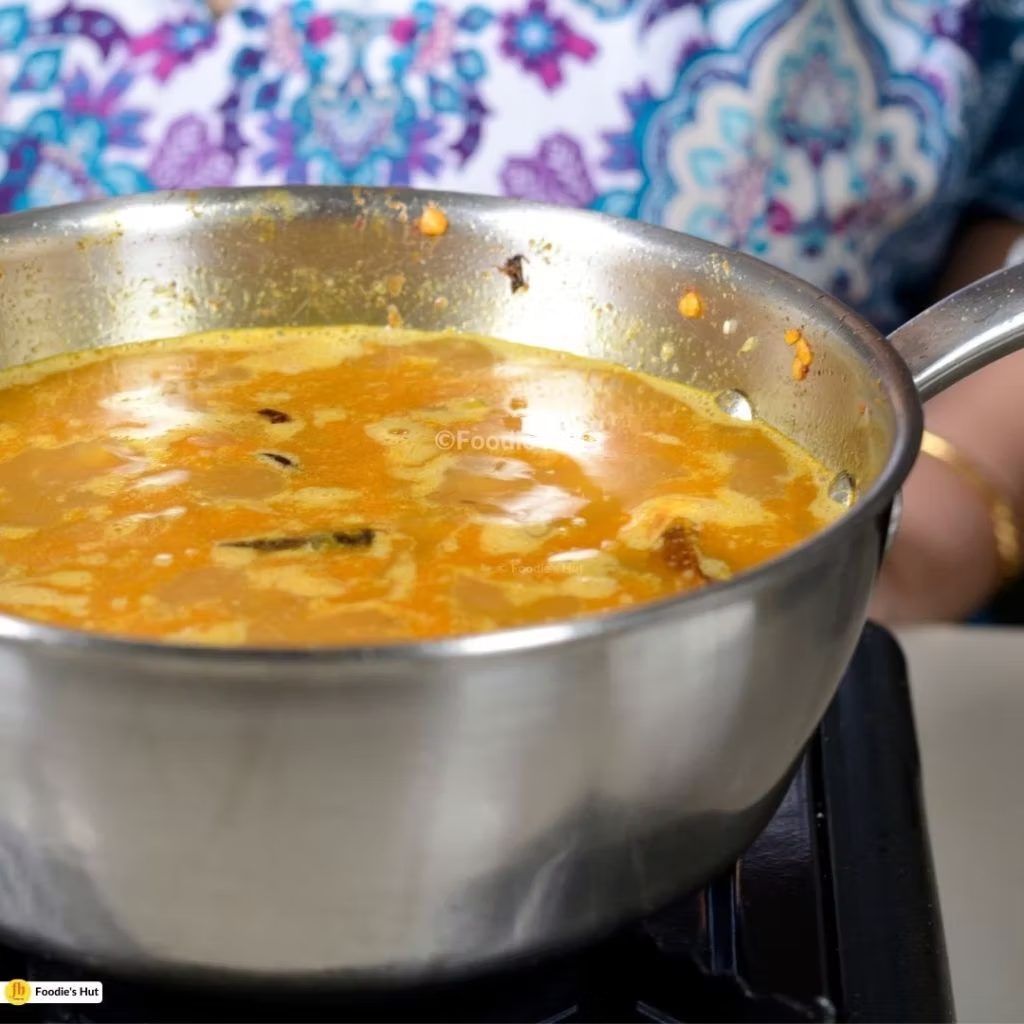 Preparing Masoor dal er khichuri
Khichuri is different from Khichdi
Recently, a Bengali Khichuri recipe was shared on Masterchef Australia! I saw some of my Indian friends comment on Masterchef Australia’s Facebook page and ask why she cooked Khichdi for judges. Don’t we serve Khichdi to someone who is sick? I couldn’t stop laughing after reading their comments. I realized the confusion created because of the similar look and ingredients used for Khichdi and Khichuri!
For Bengalis, Khichuri is the season’s favourite comfort meal. Rice and lentils are cooked together with a few whole and ground spices until they reach a creamy consistency. No weird ingredients in it. Though there are a whole lot of easy, tasty Bengali recipes, we can cook solely with pantry items. But Khichuri is an irresistible one-pot wonder. A combination of whole and ground spices, Ghee, ginger, green chilli, and sometimes onion are added as flavouring components to the khichuri to enhance the taste and flavour.
But in many states of India, a boiling creamy mixture of rice and lentils seasoned with salt and Turmeric served with a dollop of ghee is called Khichdi! It is the simplest form of dinner for the western states of India and is easy to make and digest! Khichdi often makes a remedy for stomach upset in northern India. In other scenarios, when anyone wants to eat something light for dinner, no veggies or spices are added!
Khichuri is accompanied by Beguni(Bengali-style eggplant fritter), Machh Bhaja (Bengali-style fish fry), Panpor Bhaja ( fried Papad), and an omelette. It says eating a larger portion of Khichuri could cause stomach upset! During the winter months, we must add winter vegetables such as cauliflower, peas, radish, and carrots to the Khichuri!
Ingredients required for Masoor Dal er Khichuri
The key ingredients you need to make this Khichuri are the equal portions of rice and lentils.
**Rice - **The aromatic short-grain starchy variety of rice used in Khichuri. These days, Gobindo Bhog, Kaleejira, and Chinigura are the famous short-grain rice readily available in many foreign countries, too. But for Masoor Dal er Khichuri, you can use any short-grain rice that you get in your locality. Alternatively, you can use parboiled rice. Basmati rice is also a good option if you don’t get short-grain rice. I must say Khichuri tastes best when cooked with starchy rice.
**Masoor Dal or Red lentils – **It is a typical Dal or lentil used for everyday Bengali meals. And now we don’t need to visit an Indian store to buy it here in Melbourne; we get this lentil in our supermarket, too!
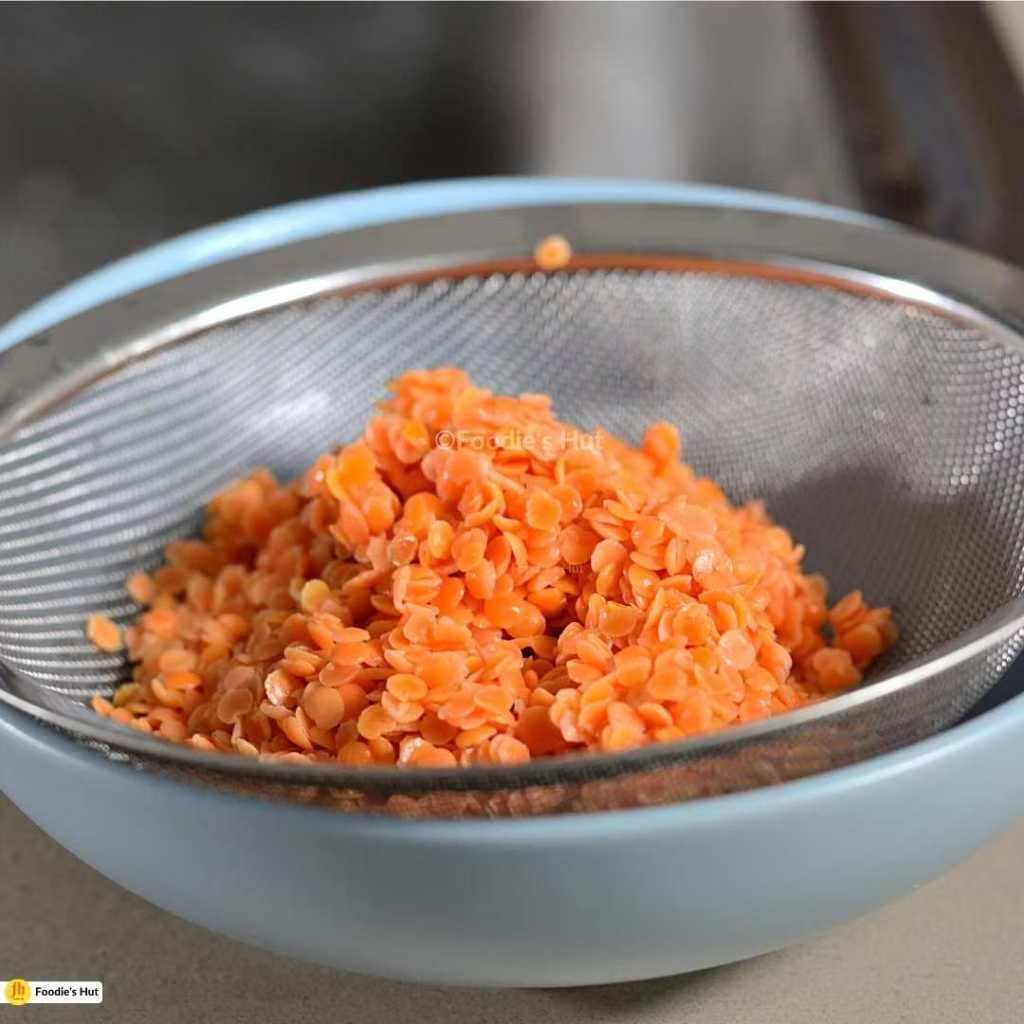 Masoor Dal
Spices – It is no surprise that Turmeric is a significant ingredient in Indian and South- Asian cooking. However, along with Turmeric powder, we also need some essential spices for Bengali cooking, such as whole and ground cumin, ground coriander, green cardamoms, cloves etc.
Oil – Mustard oil is another dominant ingredient in Bengali cuisine, but you don’t need to make a trip to your Indian grocery store for it; you can use vegetable oil too. And if you decide to cook the Khichuri with Ghee, your Khichuri is going taste way better than this recipe for sure!
What to serve with Masoor Dal er Khichuri
Khichuri and Mach Bhaja, the match made in Bengali food heaven, particularly Khichuri and Ilish Mach Bhaja, is the combo to savour and enjoy the monsoon! And, of course, don’t forget to make Anarosher chutney for your special monsoon lunch! But if you live outside of Bengal and don’t get a good quality of Ilish (Hilsa), make a Mamlette, which is a Bengali-style omelette, fry some Papad and Eggplant or aubergine to savour this Masoor Dal er Khichuri and the monsoon!
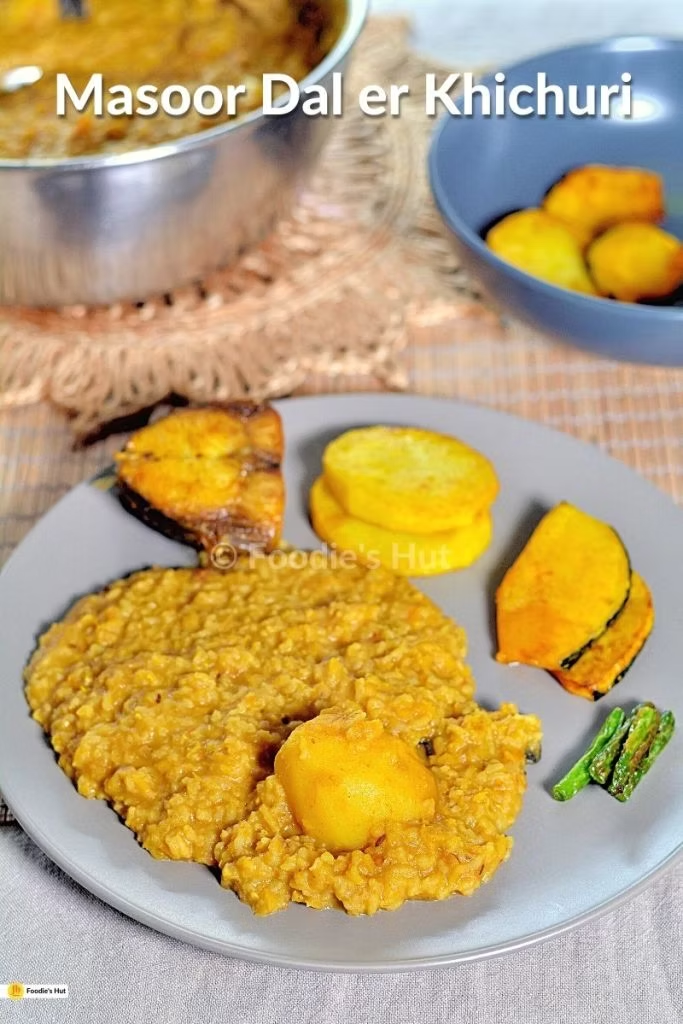 Masoor dal er khichuri
Ingredients
Method
-
Step 1
Take rice and lentils in a bowl, wash them under cold water a couple of times and soak them in the water for at least 30 minutes. To reduce cooking time, soak for 1 hour, then drain extra water.
-
Step 2
Put the ginger and garlic together in the grinding jar, add a few tablespoons of water, and make a paste. Depending on the amount of water you add, you will get about 2-3 tbsp of ginger-garlic paste.
-
Step 3
Chop the onion and tomato and slit the green chillies.
-
Step 4
Take cumin powder, coriander powder, red chilli powder, and ½ tsp turmeric powder in a small bowl. Add salt, sugar and about 3-4 tbsp of water to make a paste.
-
Step 5
Peel the potatoes, cut them in half, and then wash them.
-
Step 6
Smear ¼ tsp of turmeric powder and salt to taste the potatoes.
-
Step 7
Heat a Kadai or Dutch oven, pour oil on it, and heat it over medium-high heat.
-
Step 8
Reduce the temperature to low, add the potatoes, and fry them over medium heat for 3-4 minutes. The potatoes will develop a crispy texture on the outside and maybe start cooking inside. At this point, remove them from the oil.
-
Step 9
Next, add the tempering to the hot oil and stir with a spatula for a few seconds to extract the flavour from the whole spices.
-
Step 10
Add the chopped onion, sprinkle with salt to taste, and sauté for a few minutes or until the raw flavour has gone.
-
Step 11
Add ginger-garlic paste over medium heat and cook for about 30 seconds.
-
Step 12
Then, add the spice paste and a little water if required!
-
Step 13
Add chopped tomato and continue cooking until oil releases from the mixture.
-
Step 14
Add fried potatoes and mix with the masala.
-
Step 15
Then, add cooked soaked rice and dal to the Masala.
-
Step 16
Cook over high heat for a few minutes, then add 4 cups of boiling water and stir well.
-
Step 17
When the liquid starts bubbling up, bring the temperature to medium-low to low, cover with a lid and cook for 20 to 30 minutes. Give a stir at a regular interval to prevent burning.
-
Step 18
Once cooked, add sugar, ghee, and green chillies and mix everything well! Check the salt; if required, add it now.
-
Step 19
Over high heat, cook for a minute or until the liquid bubbles! Turn off the heat and give 10 -15 minutes standing time before serving.
Nutrition (per serving)
- Calories448.99 kcal
- Carbohydrate65.35 g
- Protein11.52 g
- Fat16.75 g
- Saturated fat2.86 g
- Sugar8.02 g
- Fibre12.28 g
- Sodium85.5 mg
- Cholesterol3.2 mg
Discover more recipes
More Rice recipes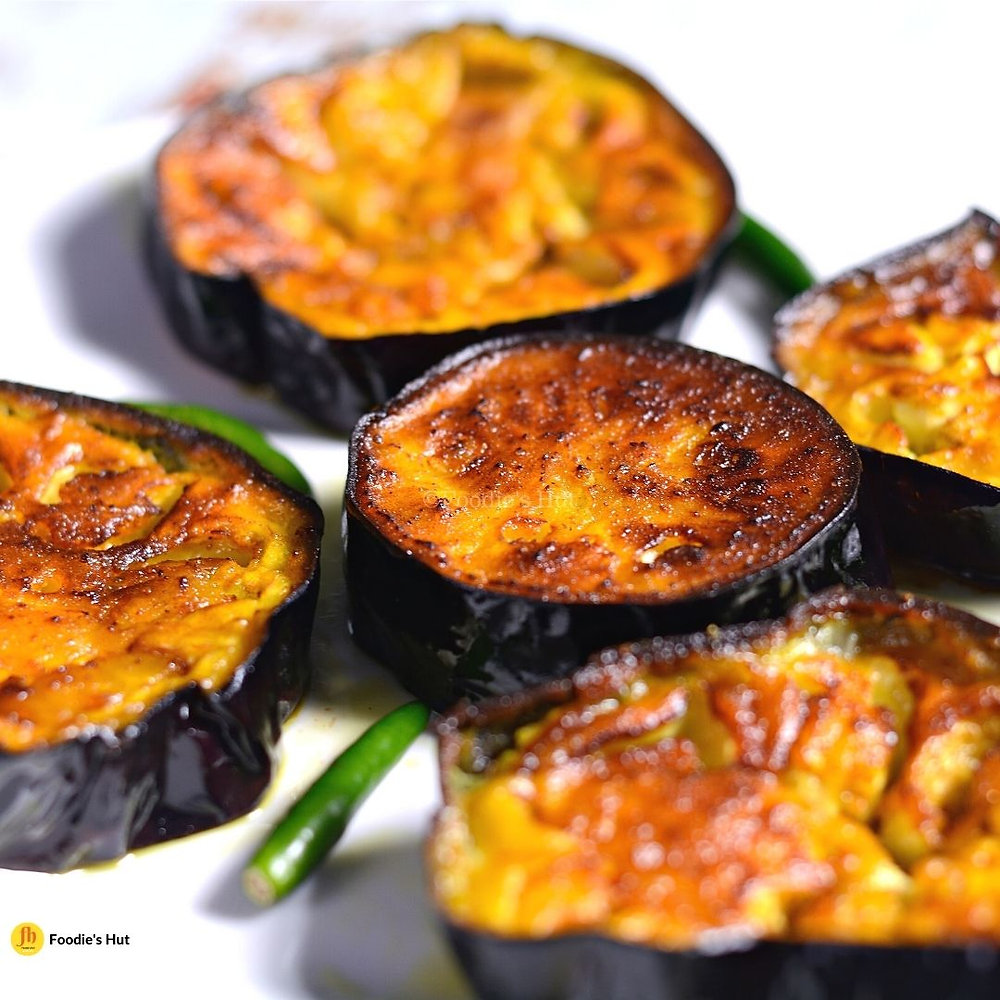
00:00