
Shobji Diye Bhaja Moong Dal
Shobji Diye Bhaja Muger Dal or Bengali Moong Dal with Vegetable – a handful of lentils, some freezer-friendly veggies and a few whole spices transform into a pot of deliciousness that is easy to cook, nutritious, and super healthy.
Shobji Diye Bhaja Muger Dal or Bengali Moong Dal with Vegetable- a handful of lentils, some freezer-friendly veggies and a few whole spices transform into a pot of deliciousness that is easy to cook, nutritious, and super healthy.
Dal, Dahl, Daal or Dhal!
Dal, Dahl, Daal, or Dhal—we might all be confused about how to spell the word. Still, we must all agree that lentils are economical sources of protein and full of flavour.
Lentils are an essential ingredient in Indian and Southeast Asian cuisine. Specific types of lentils identified or represented India’s regional kitchens and cooking.
For example, cooking Masoor dal or pink lentils is a daily affair in the Bengali kitchen, and yellow Moong lentils are served for a special lunch. These two kinds of dal dominate not only the Bengali kitchen but also Odia and Assamese kitchens! Toor dal is hugely used in North Indian and West Indian kitchens.
What is the significance of roasted moong dal?
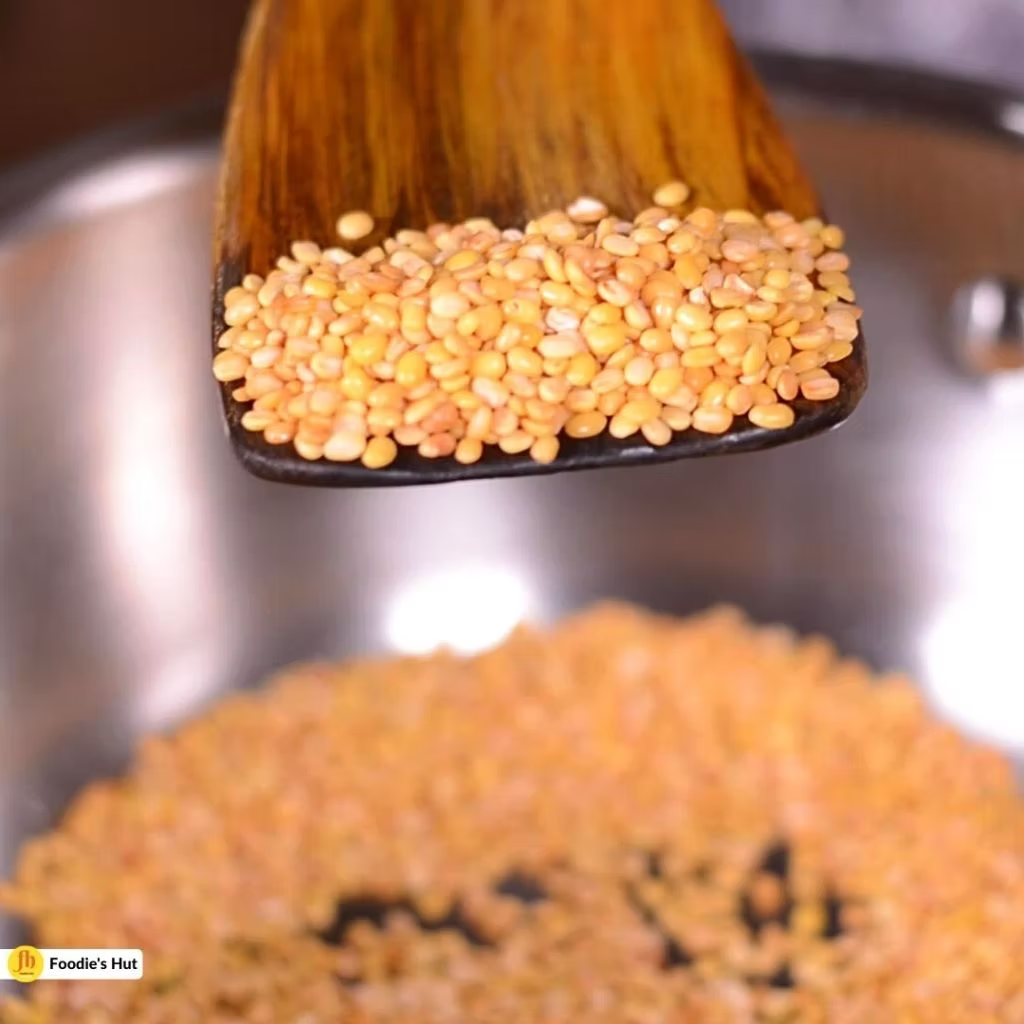 Roasting Moong dal
I am a big fan of meal prepping! When we dry roast the moong lentil in a preheated pan, it releases its oil and develops a toasted, nutty flavour.
As roasted Moong dal has a long shelf life, I always prefer to roast it in a big batch to save another 5-6 minutes of cooking time during weeknight meals.
A roasted Moong Dal- khichuri, a different kind of Bengali dal, is cooked with veggies to make delicious side dishes and served with rice and roti.
Shobji Diye Bhaja Muger Dal is a piece of my childhood memory!
This Dal is another winter delicacy from the Bengali kitchen.
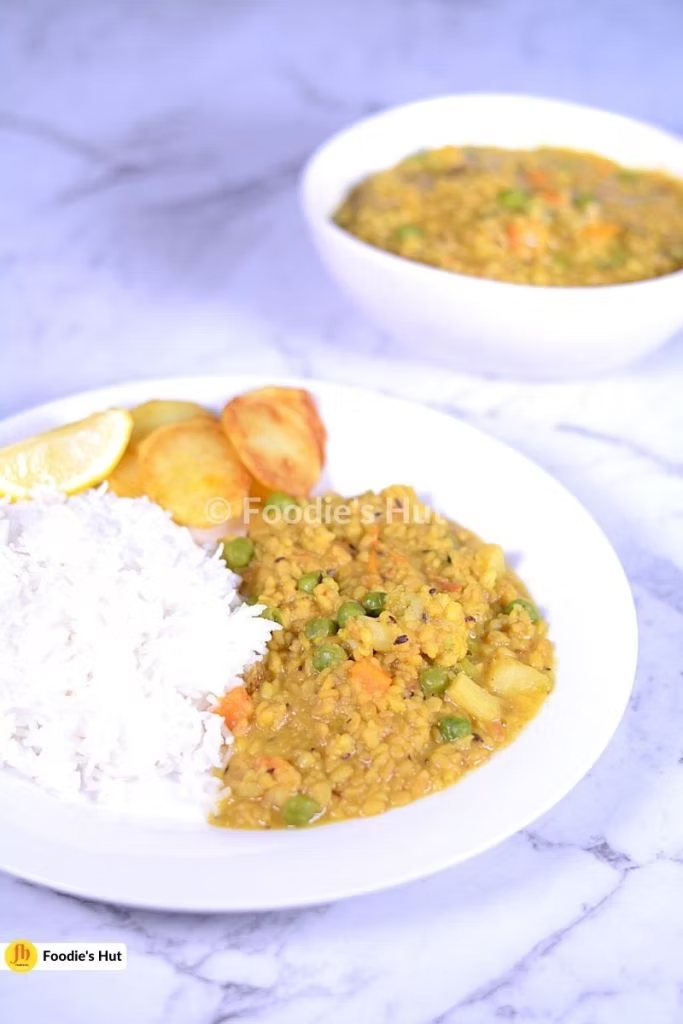 Shobji Diye Bhaja Muger Dal
I remember, as a kid, when I got bored at home, Baba( my dad) used to take me to the nearby Bazaar. During the winter months, the Shobji Bazaars used to be flooded with winter produce: cauliflower, Cabbage, Carrot, Spinach, Peas, baby potatoes, spring onion, beetroot! Baba’s shopping bag looked like a veggie melange!
However, my self-appointed job was to talk with every known or unknown person. And the common question they often asked me-
“Aaj dupure ki ranna hochhe tomader barite?”
Which means, what’s on your lunch menu today? The conversation is followed by “Ami asbo kintu khete”, which means, I will join you at lunchtime!
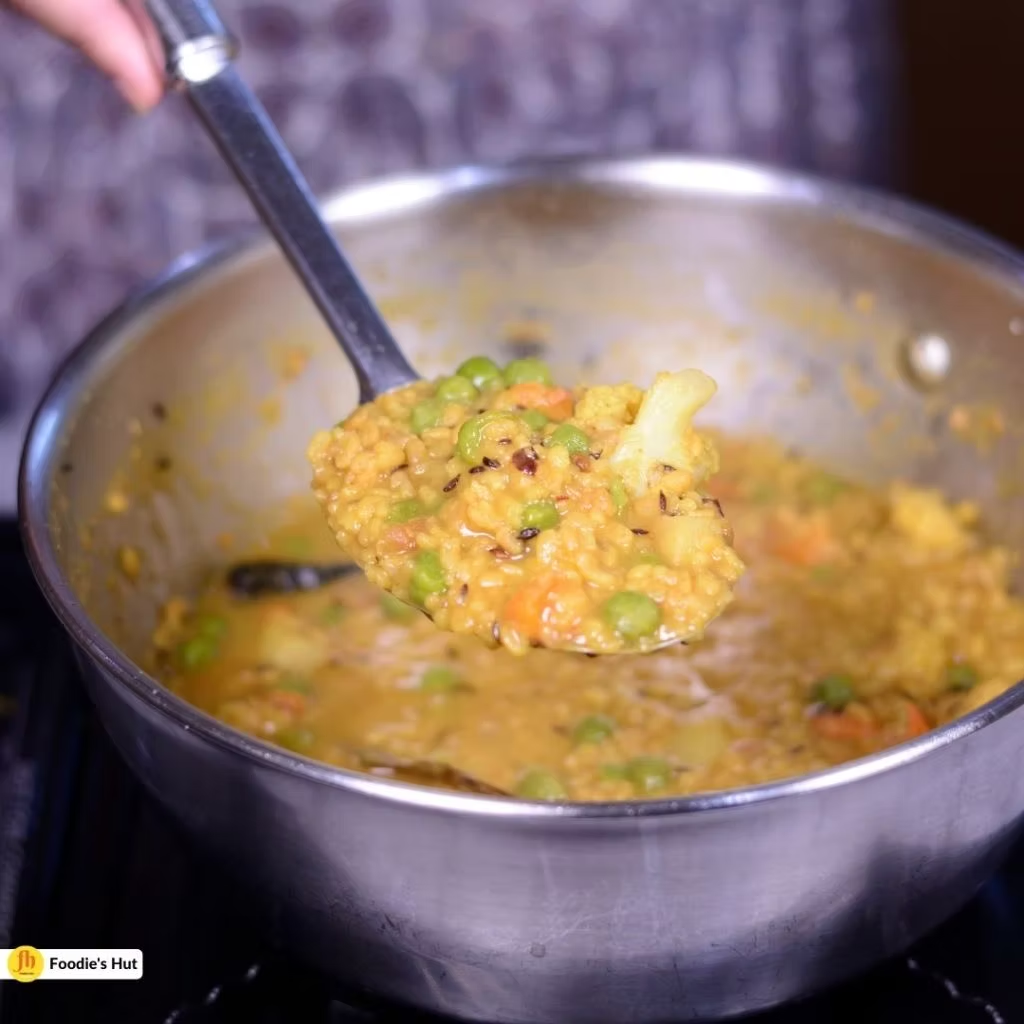 Shobji Diye Bhaja Muger Dal
I used to be very happy that someone would join us for lunch! The sudden arrival of guests was nothing new at our home! Since my childhood, I have seen my mom warmly welcome them and offer them Cha- Biskut( Tea and Biscuits) followed by lunch. Nothing fancy, a simple, humble Bengali meal, whatever she cooked that day! There is a Bengali proverb “Otithi Narayon” loosely translated, the guest is God! Maa- Baba always taught us that guest is God, but for me, arriving a guest means freedom from the study! And now, coming guests at your home means we live in the post-COVID era! I can’t ask for more! Can we?
These days, we get vegetables throughout the year! But the beauty of local, seasonal food is that it creates not only delicious meals but also delicious memories!
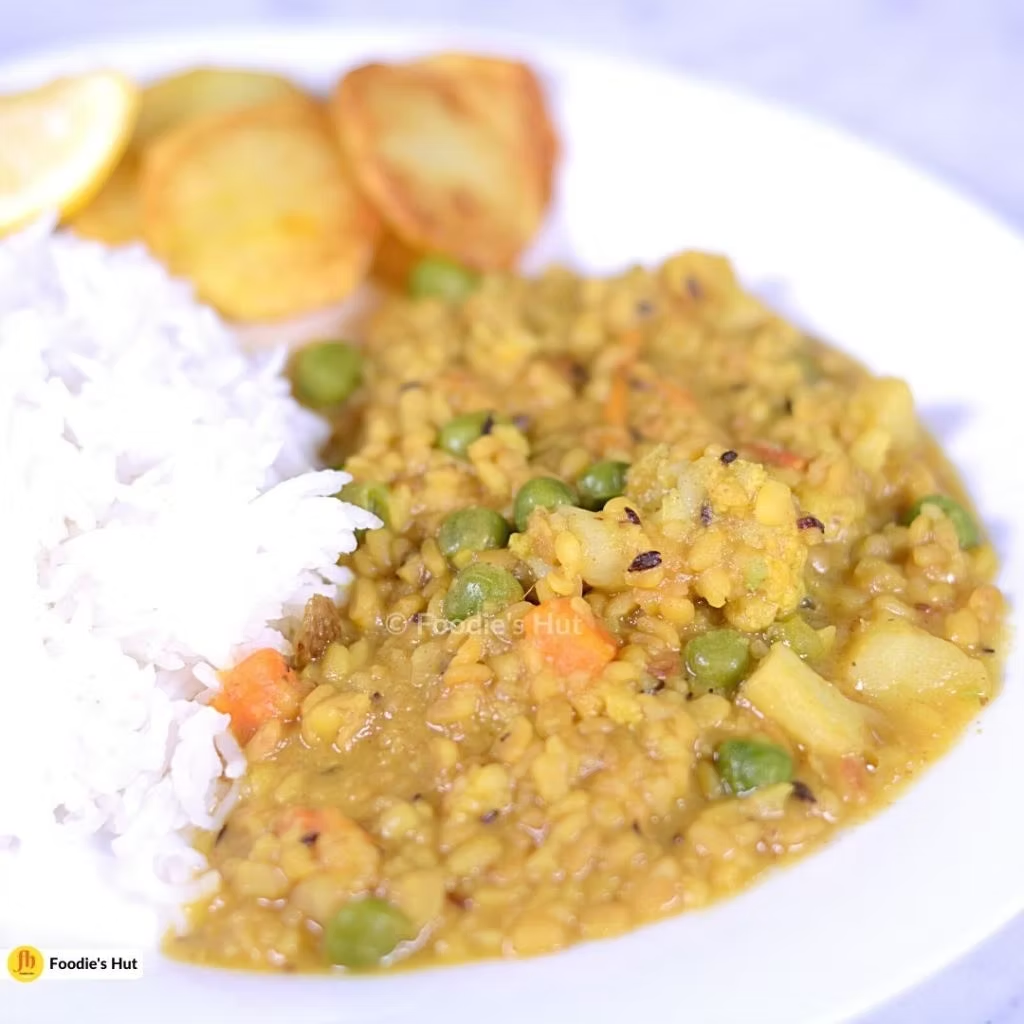 Shobji Diye Bhaja Moong Dal
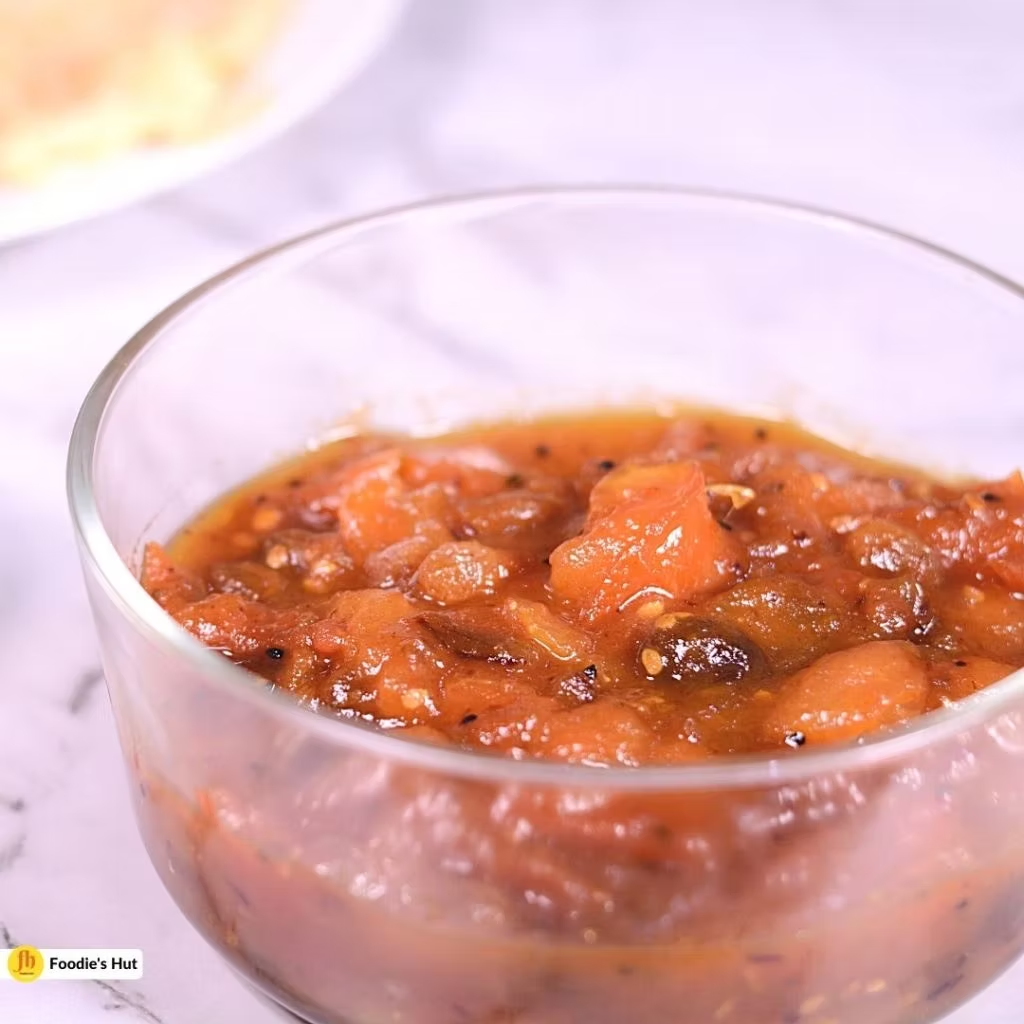
Steamed rice with Shobji Diye Bhaja Muger Dal, a dollop of Ghee, Begun Bhaja, then Aloo Kopi Diye Macher Jhol or Aloo -Bori Diye Macher Jhol, end with Tomato chutney. This meal is pure nostalgia for a Bengali soul!
Ingredients
Method
-
Step 1
Preheat a heavy-duty cooking pan or skillet over medium heat. Add the moong dal and roast over medium heat for 5-6 minutes. Keep stirring the lentil with a spatula to avoid sticking to the inner bottom of the pan. The dal will start changing its colour and developing a roasted flavour. Remove from the pan and keep in a saucepan.
-
Step 2
When the lentil is ready to touch, wash it a couple of times, pour 2 cups of water over it, cover with a lid, and soak it for 15 to 20 minutes at least.
-
Step 3
Next, boil the lentil. First, place the saucepan over high heat and wait for a rolling boil. You will see the foam on the top; with the help of a ladle, remove them.
-
Step 4
Then, reduce the heat to medium to medium-low, sprinkle salt ¼ tsp turmeric powder, stir to mix them, partially cover the saucepan, and continue to cook for about 10 to 15 minutes.
-
Step 5
Add half of the chopped tomatoes and green chillies and continue cooking for another 5 minutes or until the lentils are cooked.
-
Step 6
Heat mustard oil in a Kadai or heavy-duty deep skillet. Wait until the oil reaches a smoky heat.
-
Step 7
Next, reduce the heat to low and add the whole spices for tempering. Give the spices a quick stir with a spatula for a few seconds, and they will release the aroma.
-
Step 8
Add veggies, sprinkle salt, ¼ tsp turmeric powder, and ginger paste. Cook until the moisture is removed and the oil separates from the veggies.
-
Step 9
Add sugar, add boiled dal, give it a stir with a spatula, pour about 1 cup of boiling water, and let it come to a rolling boil.
-
Step 10
Reduce the heat to medium-low, cover with a lid and simmer for 4-5 minutes.
-
Step 11
Add ghee and roasted cumin powder, give a final stir, remove from the heat, cover with a lid and let it rest for 10 to 15 minutes before serving.
-
Step 12
Enjoy with steamed rice.
Nutrition (per serving)
- Calories214.61 kcal
- Carbohydrate25.68 g
- Protein8.07 g
- Fat9.21 g
- Saturated fat1.91 g
- Sugar5.09 g
- Fibre5.13 g
- Sodium153.21 mg
- Cholesterol3.2 mg
Discover more recipes
More Dal recipes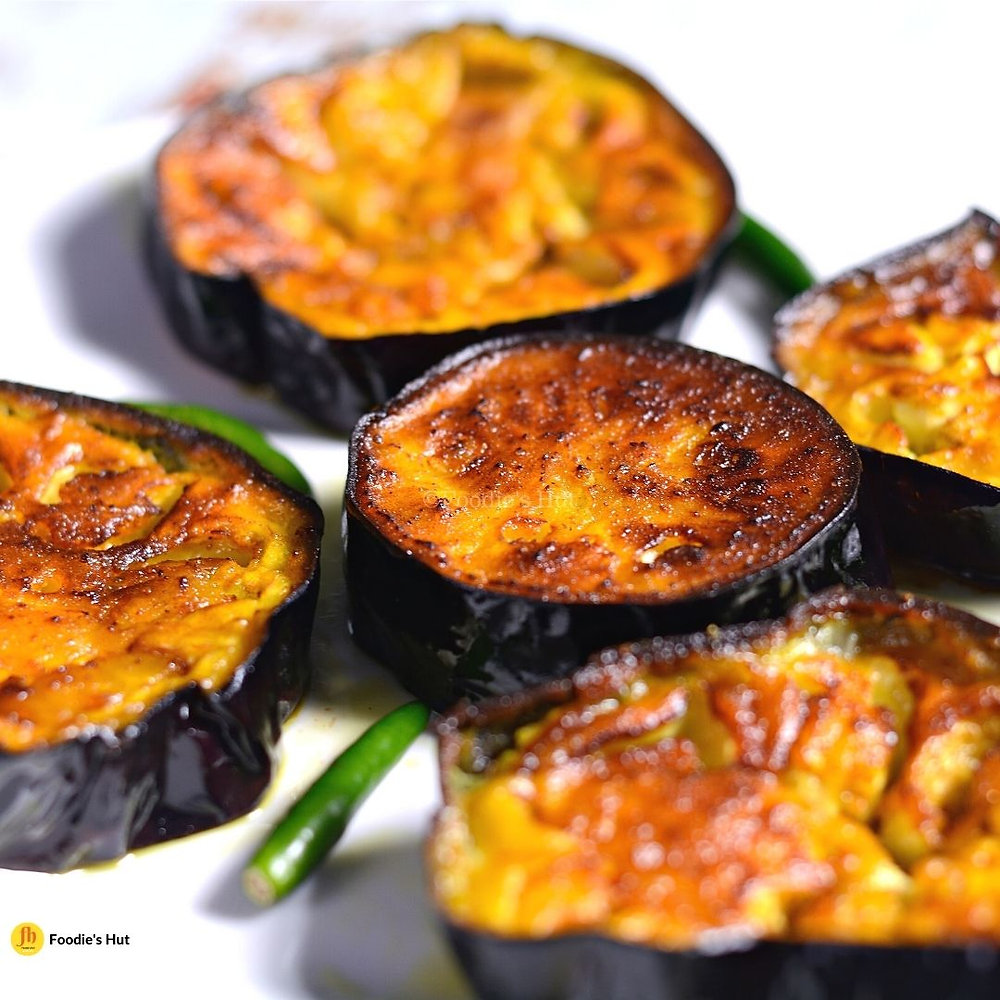
00:00